"I ate a meat-heavy diet before and during pregnancy, and we ended up with two boys."
If you've ever noticed patterns between what you ate and the gender of your children, you're not imagining things—or at least, you're not alone. For generations, families have shared stories about cravings for meat leading to boys, or diets rich in dairy leading to girls. Old wives' tales? Perhaps. But what if there's actually some science behind it?
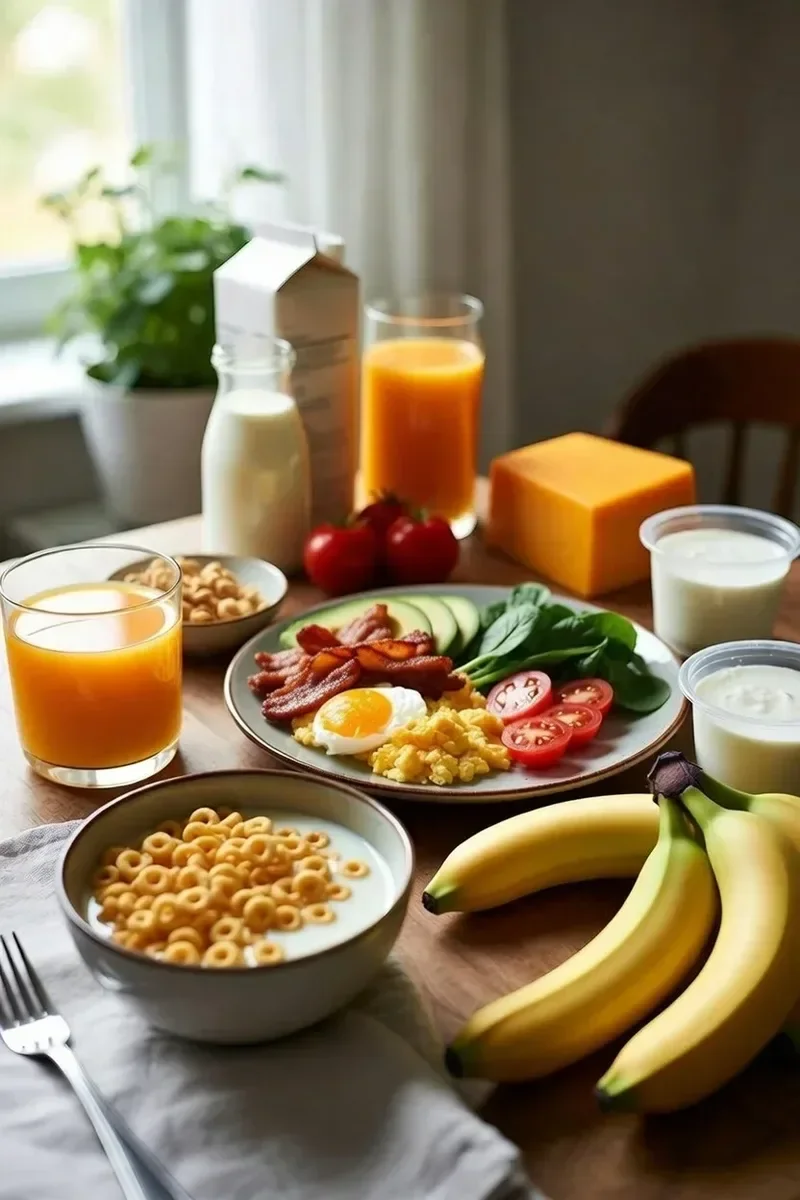
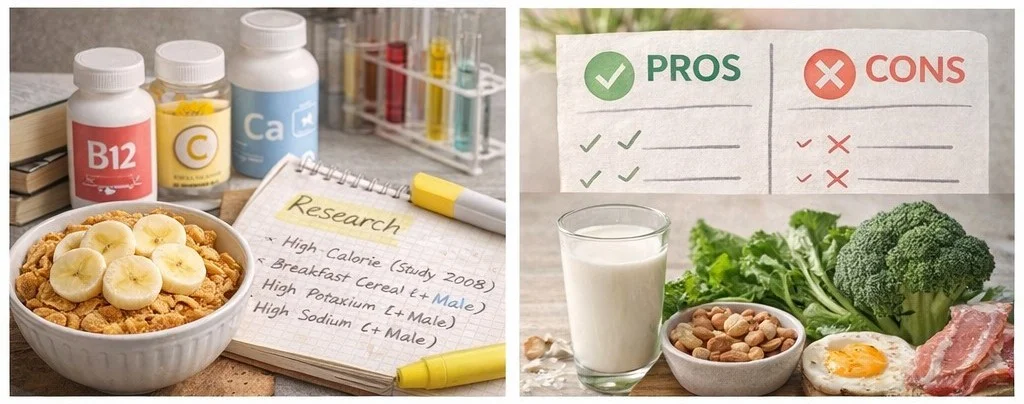
In 2008, a study from the Universities of Exeter and Oxford made headlines around the world with a bold claim: women who ate breakfast cereal were nearly twice as likely to have boys. The study suggested that mothers who consumed more calories before conception—especially from foods high in potassium, sodium, and calcium—had a higher chance of giving birth to sons.
The internet exploded with "gender diet" guides. Women desperate for daughters started cutting out bananas and salt. Families with three boys began stockpiling cereal boxes in hopes of finally getting a girl.
But here's the question: does the science actually back this up? And more importantly, if you're trying for a baby of a particular gender, should you be changing what you eat?
Let's dig into the research, examine the controversy, and work out what's real and what's wishful thinking.
The Famous "Breakfast Cereal Study" (2008)
What They Found
The study, published in the Proceedings of the Royal Society B, followed 740 first-time pregnant British women who didn't yet know the gender of their babies. Researchers asked detailed questions about their diets before conception and during early pregnancy.
The results were striking:
- 56% of women in the highest calorie intake group had boys, compared to 45% in the lowest calorie group
- Women who regularly ate breakfast cereal were 1.89 times more likely to have boys than those who didn't
- Diets high in potassium (bananas, potatoes), calcium, and vitamins C, E, and B12 were linked to male births
- Diets high in sodium (salt, processed meats like bacon and ham) were associated with boys
Crucially, the link only appeared with diet before conception, not during pregnancy. Once women were already pregnant, what they ate didn't seem to influence the baby's gender.
The Proposed Mechanism
The researchers suggested that higher blood glucose levels (from more calories) might create an environment more favourable to Y-chromosome sperm (boys).
From an evolutionary biology perspective, this makes a sort of sense: in times of plenty, when a mother is well-nourished and likely to survive childbirth, having sons could be advantageous. Males can theoretically father more offspring than females, but only if they're healthy and strong. In lean times, having daughters might be the safer evolutionary bet, as females reproduce more consistently regardless of their physical condition.
The study's lead author, Dr. Fiona Mathews, noted: "This research may help to explain why in developed countries, where many young women choose to have low-calorie diets, the proportion of boys born is falling."
The Controversy: Why Scientists Are Skeptical
Not everyone was convinced.
Stanley Young, a statistician, immediately challenged the study in a published response. He pointed out a fundamental problem: the researchers had asked about 132 different foods. When you test that many variables, you're almost guaranteed to find some "statistically significant" results purely by chance—a problem called multiple testing or data dredging.
As Young put it: "It's hard to believe that a woman can increase the likelihood of having a baby boy by eating more bananas, cereal or salt."
After examining the raw data, he concluded that the statistical significance might be a false positive—a fluke rather than a real effect.
The study's author, Dr. Mathews, defended her methodology, saying: "It's highly unlikely that this occurred by chance." But she also acknowledged: "It's important for women to realize they can't use the results as a formula for making baby boys."
Even with the correlation, we're talking about going from 45% to 56% chance of having a boy—still close to a coin flip.
The Reality Check
Here's what makes this particularly tricky to study:
- You can't do a randomized controlled trial (it would be unethical to assign women specific diets and see what happens)
- Correlation doesn't prove causation (maybe women who eat more also have other traits that influence gender)
- No follow-up studies have replicated the findings at this scale
- The biological mechanism isn't well understood
The Dutch "Girl Diet" Study (2010)
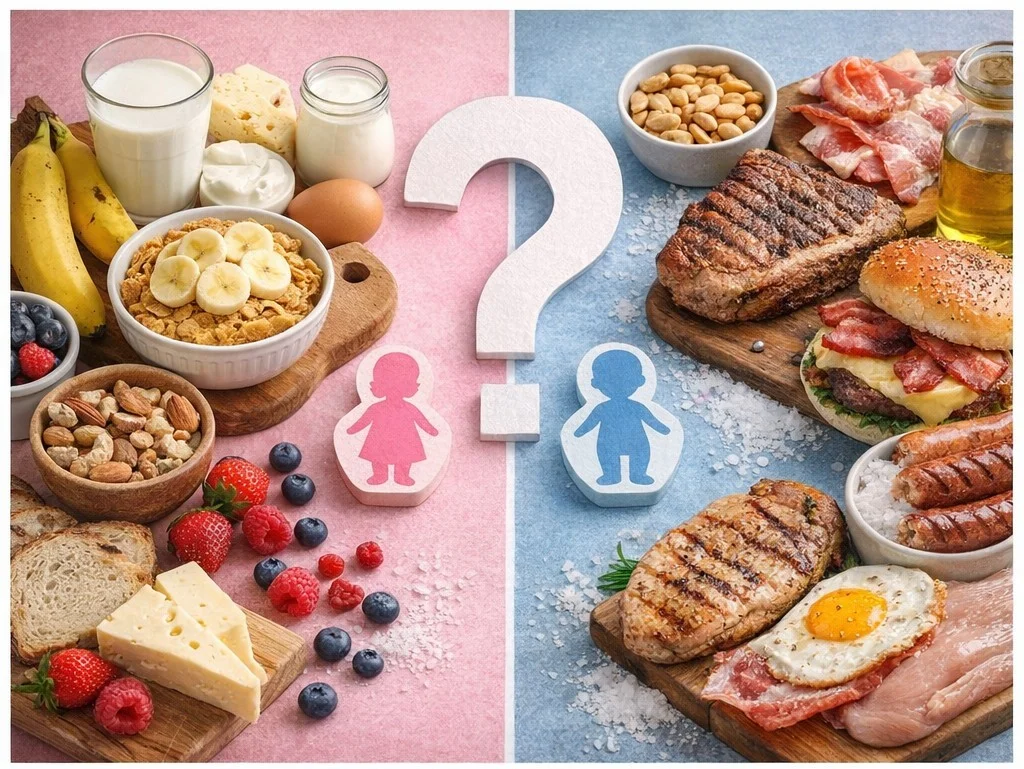
In 2010, Dutch researchers published a study in Reproductive BioMedicine Online claiming you could increase your chances of having a girl through diet.
They followed 172 couples (mostly families with multiple boys hoping for a daughter) who followed a strict regimen:
- Diet high in calcium and magnesium (dairy, leafy greens, nuts)
- Diet low in sodium and potassium (avoiding salt, bananas, processed meat)
- Timed intercourse relative to ovulation
Of the women who fully complied with both the diet and timing protocol, 81% had girls.
Sounds impressive, right?
The Problems
- Only 32 women actually followed the complete protocol (tiny sample size)
- 59% of participants dropped out or didn't comply (self-selection bias)
- Combined diet with timing, so you can't tell which factor mattered
- No control group (maybe they would have had girls anyway)
- The families already had mostly boys, which might have made a girl statistically more likely regardless
The researchers themselves admitted: "This requires of the mother both willpower and meticulousness"—a polite way of saying the diet was extremely difficult to stick to.
What About Meat and Boys?
The research does show associations between protein-rich, sodium-heavy diets and male births:
- Red meat and poultry are high in sodium and potassium
- Processed meats (bacon, ham, sausages) are even higher in salt
- The 2008 study found sodium intake was linked to boys
- Some theories suggest high-protein diets create a more alkaline environment, which may favour Y-sperm
A 2012 study from Denmark found that women who consumed peanuts and tree nuts (high in protein and potassium) one or more times per week had children with 20-25% less asthma—showing that maternal diet definitely has some biological effects on offspring.
But here's the catch: These personal experiences are what's called anecdotal evidence. It's real and valid, but it doesn't prove the diet caused the outcome. Millions of women eat meat-heavy diets and have girls. Millions eat less meat and have boys.
The Theories: How Could Diet Influence Gender?
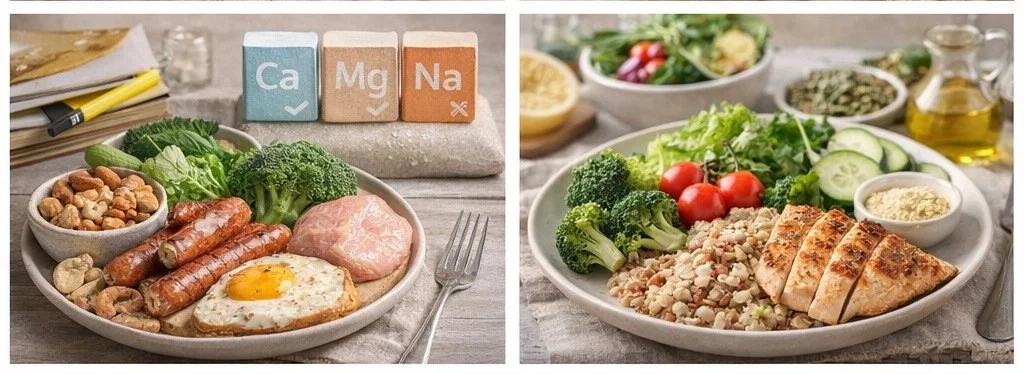
Scientists have proposed several possible mechanisms:
1. The Glucose Hypothesis
Higher blood sugar levels might favour Y-chromosome sperm, which swim faster but have less endurance. More glucose = more energy for boy sperm to reach the egg first.
2. The pH Theory (Least Proven)
- Alkaline environment (from sodium, potassium) supposedly favours boys
- Acidic environment (from calcium, magnesium) supposedly favours girls
- The science here is extremely weak—vaginal pH is tightly regulated by the body
3. The Mineral Balance Theory
Specific minerals (sodium/potassium vs calcium/magnesium) might influence which sperm are more viable or which embryos are more likely to implant.
4. The Evolutionary Resource Availability Theory
In times of plenty (high calories), mothers produce more boys because males can have more offspring if they're strong. In times of scarcity, girls are the safer bet because they reproduce more reliably.
The honest truth? None of these mechanisms are definitively proven in humans.
What Should You Actually Do?
If you're hoping for a baby of a particular gender, here's the practical reality:
❌ Don't Do This:
- Don't follow extreme diets to try to influence gender
- Don't skip breakfast or severely restrict calories
- Don't avoid entire food groups (like all dairy or all meat)
- Don't compromise your nutrition for a 50/50 gamble
The Royal College of Midwives warned: "We would be concerned for the health of mothers and babies if women were adapting to a less healthy diet—for example, stopping having breakfast or reducing the range of nutrients they eat—in order to produce a child of a specific sex."
✅ Do This Instead:
- Eat a balanced, nutritious diet rich in fruits, vegetables, whole grains, and lean protein
- Take folic acid (400mcg daily) before and during early pregnancy
- Maintain a healthy weight (both underweight and overweight can affect fertility)
- Focus on overall health rather than gender selection
If you naturally eat a higher-protein diet (meat, poultry, fish, eggs) or a higher-dairy diet (milk, cheese, yoghurt), that's fine—but don't radically change your eating habits based on gender hopes.
The Bigger Picture: Why This Matters (and Why It Doesn't)
The fascination with "gender diets" reflects something deeper: our desire for control over an inherently unpredictable process.
The truth is, gender is determined the moment sperm meets egg, and that's decided by which sperm (X or Y) reaches it first. Your diet might—might—create tiny shifts in the odds, but we're talking about moving from a 49% to 51% chance at best.
What We Know For Sure:
- Diet definitely affects fertility (eating well helps you conceive)
- Diet definitely affects pregnancy outcomes (nutrition matters for baby's development)
- Diet might—might—have a very modest influence on gender (but it's far from proven)
What Matters More:
- Having a healthy pregnancy
- Delivering a healthy baby
- Being prepared to love and raise the child you have, regardless of gender
For evidence-based guidance on preparing for pregnancy, the NHS offers comprehensive preconception advice and Tommy's charity provides excellent nutrition guidance for those trying to conceive.
As one researcher put it: "The most important thing is having a healthy baby. Although there is no harm in trying the above suggestions in the hope of improving your chances of welcoming a baby boy [or girl], it's essential to realize that there are no guarantees."
The Verdict: So Is It True?
The honest answer: We don't know for certain, but probably not reliably.
There's some limited scientific evidence suggesting that diet before conception might have a modest influence on baby's gender. The 2008 study is intriguing, but it's also controversial and hasn't been definitively replicated. Scientific reviews of maternal nutrition and offspring sex conclude that while interesting correlations exist, the evidence remains inconclusive.
Is it possible that eating a meat-heavy diet influenced family having boys? Maybe. Is it guaranteed? Absolutely not.
Should you try a "gender diet" if you're desperate for a boy or girl? Only if you can do it while maintaining excellent overall nutrition—and with the understanding that it's a very long shot.
What we can say with certainty:
- Eating breakfast is good for you (regardless of gender hopes)
- A balanced diet rich in nutrients supports fertility and healthy pregnancy outcomes
- Extreme diets or restrictions can harm your health and your baby's development
- There are no guarantees in reproduction
Final Thoughts: What Really Matters
Whether you have a boy or a girl, the most important thing is having a healthy baby and a healthy pregnancy.
One family might eat a meat-heavy diet and have two wonderful boys. Another family might eat exactly the same diet and have two girls. That's the beautiful unpredictability of human reproduction.
If you're hoping for a specific gender, by all means eat a nutritious diet rich in the foods you love—whether that's cereal and bananas or cheese and yoghurt, or protein-rich meats and fish. But do it for your health, not because you think it's a magic formula.
And when that baby arrives? You'll love them fiercely, regardless of whether they're the gender you hoped for.
Want to read more pregnancy myth-busting? Check out our guide to which gender prediction myths actually have science behind them, or explore the truth about pregnancy food safety.
Disclaimer: This article is for information purposes only. Always consult your midwife, GP, or a registered dietitian before making significant changes to your diet, especially when trying to conceive or during pregnancy.