The Instagram Fertility Guru Panic
This was during the pandemic, when days blurred together and most of life happened indoors. We were trying to conceive without pressure or urgency—just quietly getting on with things in isolation.
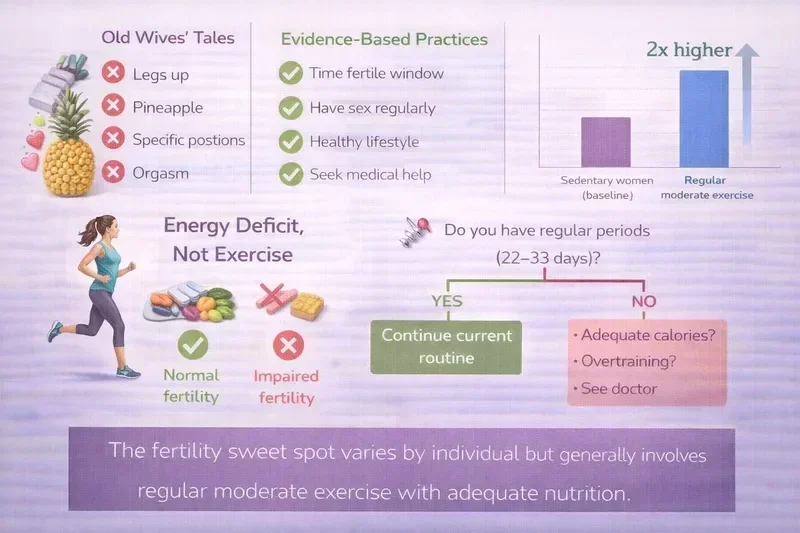
With nowhere to go and far too much time online, my social media feeds slowly filled with “fertility advice.” Within a single scroll, I’d learned I supposedly needed to:
- Eat pineapple core daily (for implantation)
- Drink pomegranate juice (antioxidants)
- Eat oysters weekly (zinc)
- Add maca powder to smoothies (hormone balance)
- Eat yams for twins
- Avoid all dairy because of “inflammation”
- Or somehow switch to full-fat dairy only (the so-called fertility diet)
It got so ridiculous that I genuinely caught myself wondering how much maca powder—or pineapple core—my mum had when she was trying to conceive me.
My shopping list started to look absurd. And that’s when it clicked: there’s no single “superfood” that gets you pregnant.
Diet does matter for fertility—but not in the magical, Instagram-friendly way it’s often sold.
Let’s separate the hype from the science and look at what actually helps.
The Big Picture: Overall Diet Pattern Matters Most
Before we dive into specific foods, here's the crucial finding: It's the overall dietary pattern that affects fertility, not individual "superfoods."
The Mediterranean Diet: The Only Diet with Strong Evidence
A 2022 review found "consistent evidence" that following an anti-inflammatory diet—specifically the Mediterranean diet—improves fertility.
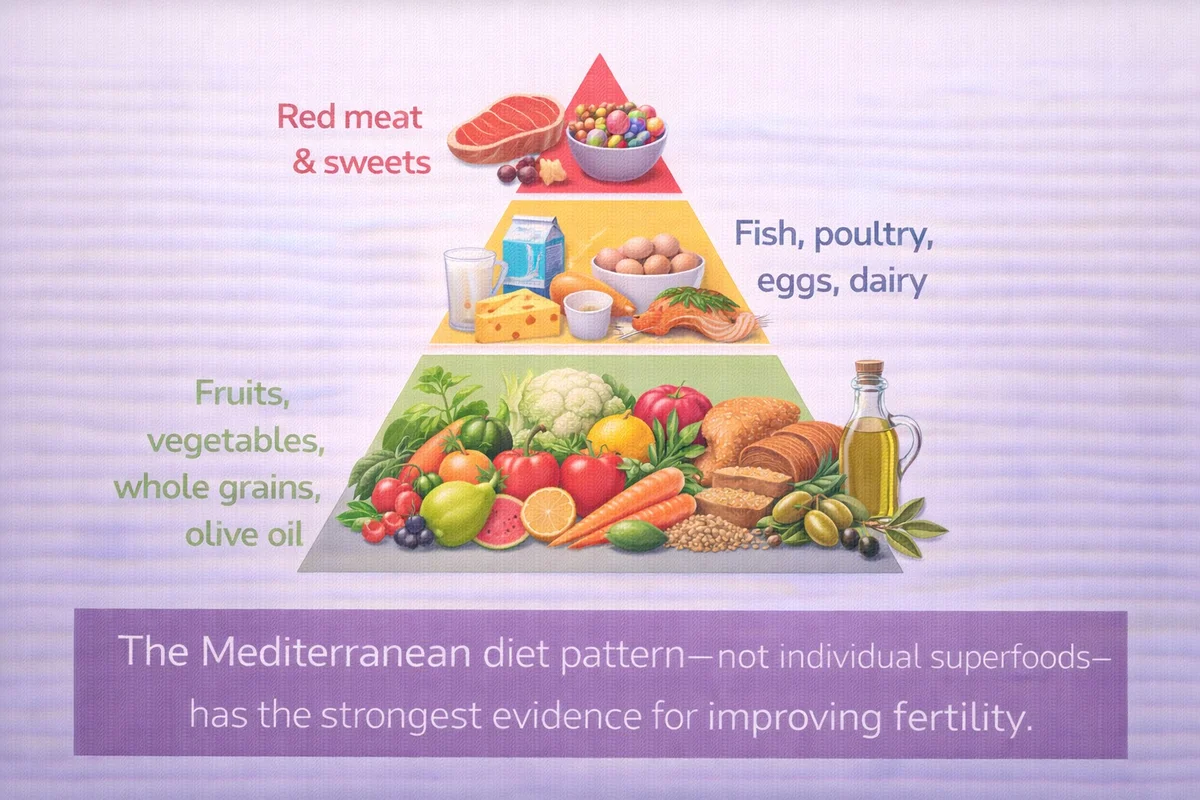
What is the Mediterranean diet?
- High: Fruits, vegetables, whole grains, legumes, nuts, olive oil, fish
- Moderate: Poultry, eggs, yoghurt, cheese
- Low: Red meat, processed foods, refined sugars
The Evidence
A 2018 study of 244 women undergoing IVF found:
- Women with higher Mediterranean diet scores had 65-68% greater chance of successful pregnancy and live birth
- Compared to women eating mostly processed, convenience foods
Another review found greater adherence to Mediterranean diet associated with:
- Improved pregnancy rates
- Better live birth rates
- Sperm concentration >15 million/mL (for men)
- Improved sperm count >39 million/mL
Why Mediterranean Diet Works
Research shows it benefits fertility through:
- Reducing inflammation (inflammation affects ovulation, sperm quality, and implantation)
- Improving insulin sensitivity (crucial for ovulation, especially with PCOS)
- Providing antioxidants that protect eggs and sperm from oxidative stress
- Supporting hormone balance through healthy fats and whole foods
- Improving blood flow to reproductive organs
Mediterranean Diet and Male Fertility
The evidence for men is equally promising.
- Mediterranean diet associated with improved sperm quality and healthier sperm
- A 2017 study found increased consumption of meat and processed foods correlates with poor semen quality in men
- Diets high in saturated fat negatively impact sperm parameters
A meta-analysis found Mediterranean diet adherence associated with:
- Sperm concentration >15 million/mL
- Improved sperm count >39 million/mL
Remember: Male factor contributes to 50% of fertility issues. What your partner eats matters just as much as what you eat.
The Bottom Line:
Don't obsess over single foods. Focus on the overall pattern: more plants, healthy fats, whole foods; less processed food, red meat, and refined sugar. Both partners should follow this approach.
Now Let's Talk "Superfoods": Myth vs Reality
Here are the foods constantly touted as fertility boosters—and what science actually says.
Pineapple Core: The Most Over-Hyped "Superfood"
The Claim: Eating pineapple core daily after ovulation or embryo transfer helps implantation because bromelain (an enzyme) reduces inflammation and improves blood flow to the uterus.
What Science Says:
There is NO scientific evidence linking pineapple consumption to improved fertility or implantation.
Dr. Tomer Singer, reproductive endocrinologist: "There's no evidence in the literature that says consuming pineapple prior to an embryo transfer will improve implantation."
Yes, pineapple contains bromelain. Yes, bromelain has anti-inflammatory properties. But the connection to implantation has never been proven in studies.
The Reality:
Pineapple is healthy (vitamin C!). If you enjoy it, eat it. But don't force yourself to chew tough pineapple core expecting it to get you pregnant—it won't.
Pomegranate: Good Nutrition, Not Magic
The Claim: Pomegranate juice boosts fertility by stimulating the uterus, thickening uterine lining, and improving sperm quality.
What Science Says:
Pomegranates are high in antioxidants, which counter oxidative stress. Oxidative stress negatively impacts eggs and sperm.
A diet rich in antioxidants (from many sources, not just pomegranates) has been shown to boost fertility outcomes.
BUT: Studies showing pomegranate improving sperm quality? Only in rats. Not humans.
The Reality:
Pomegranates are a healthy source of antioxidants—as are berries, dark leafy greens, nuts, and many other foods. Eat them as part of a varied diet, but they're not magic.
Oysters: High in Zinc, Not a Guarantee
The Claim: Oysters are "THE" fertility superfood because they're packed with zinc, which boosts egg quality, sperm production, and testosterone.
What Science Says:
Oysters ARE rich in zinc (just 6 medium oysters provide 509% of recommended daily zinc). Zinc is important for:
- Sperm production and quality (especially important for men)
- Testosterone production
- Egg development
- Hormone regulation
- Preventing miscarriage
Low zinc IS linked to fertility problems in both sexes.
Male fertility specifically: A biochemical review found zinc in oysters drives testosterone synthesis, leads to production of nitric oxide, and is crucial for sperm quality. Men with low zinc have reduced sperm count and motility.
BUT: You don't need oysters specifically. Other zinc sources work just as well:
- Beef
- Pumpkin seeds
- Lentils
- Chickpeas
- Cashews
The Reality:
Ensuring adequate zinc intake matters—especially for men. Whether that comes from oysters or other sources doesn't. Both partners should ensure they're getting enough zinc.
Avocados: Healthy Fats Are Good
The Claim: Avocados boost fertility through monounsaturated fats, vitamin E, and folate.
What Science Says:
Avocados are excellent sources of:
- Monounsaturated fats (support hormone health)
- Vitamin E (may improve sperm quality)
- Folate (crucial for preventing neural tube defects)
Research shows monounsaturated fats can help lower inflammation, which is important for fertility.
The Reality:
Avocados are a nutritious part of a healthy diet. Eat them if you enjoy them. But olive oil, nuts, and fatty fish provide similar benefits.
Yams: The Twin Myth
The Claim: Eating yams increases your chances of having twins.
What Science Says:
There is no evidence that eating yams has any direct correlation with conceiving twins.
This myth stems from observational data showing higher twin rates in certain African regions where yams are a dietary staple—but correlation doesn't equal causation.
The Reality:
Yams are nutritious (fiber, vitamins, minerals) but won't give you twins.
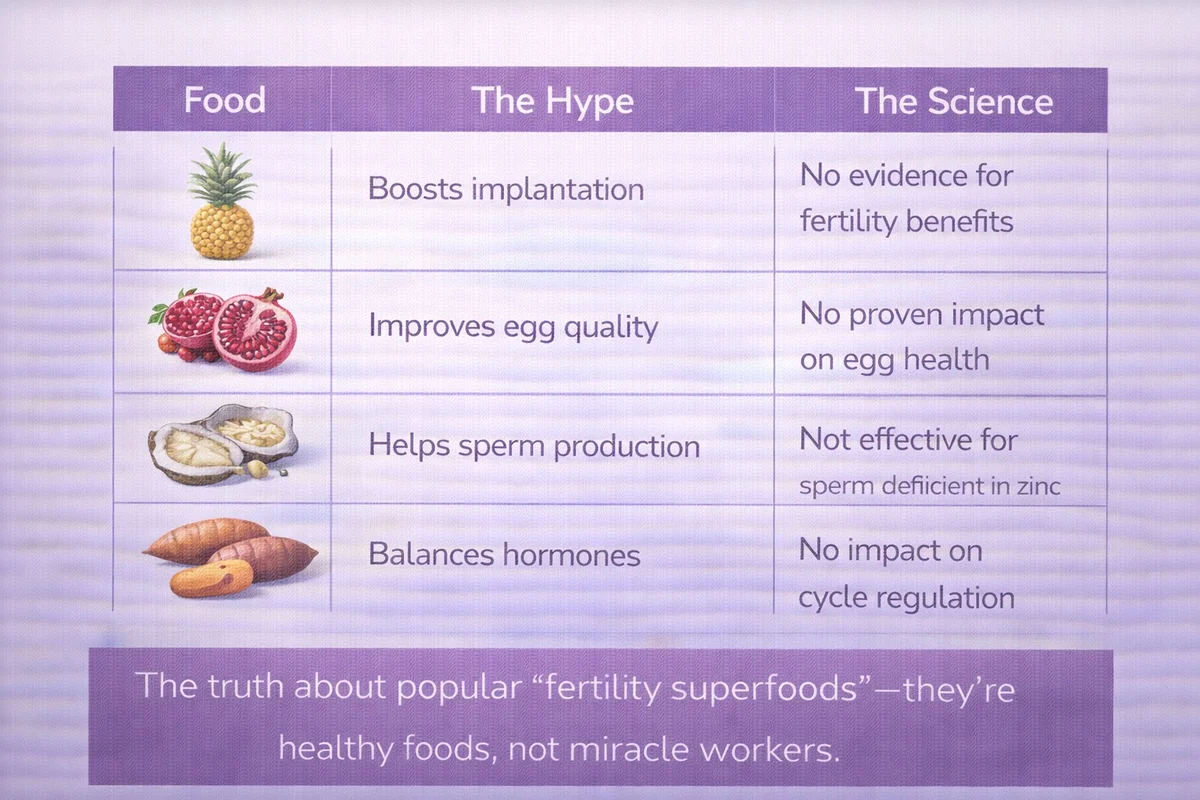
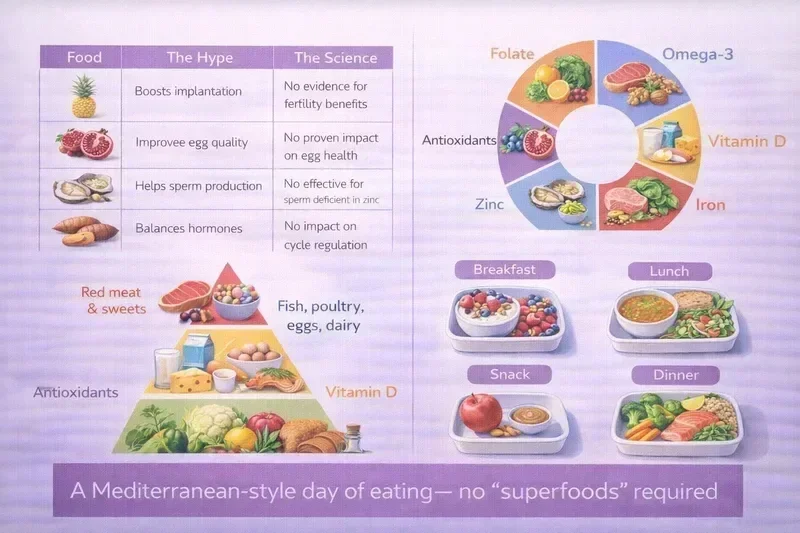
- Pineapple core | "Helps implantation!" | No evidence
- Pomegranate | "Boosts fertility!" | Healthy antioxidants, not magic
- Oysters | "THE superfood!" | Good zinc source, not unique
- Yams | "Gives you twins!" | No evidence]** Caption: The truth about popular "fertility superfoods"—they're healthy foods, not miracle workers.
What Nutrients Actually Matter?
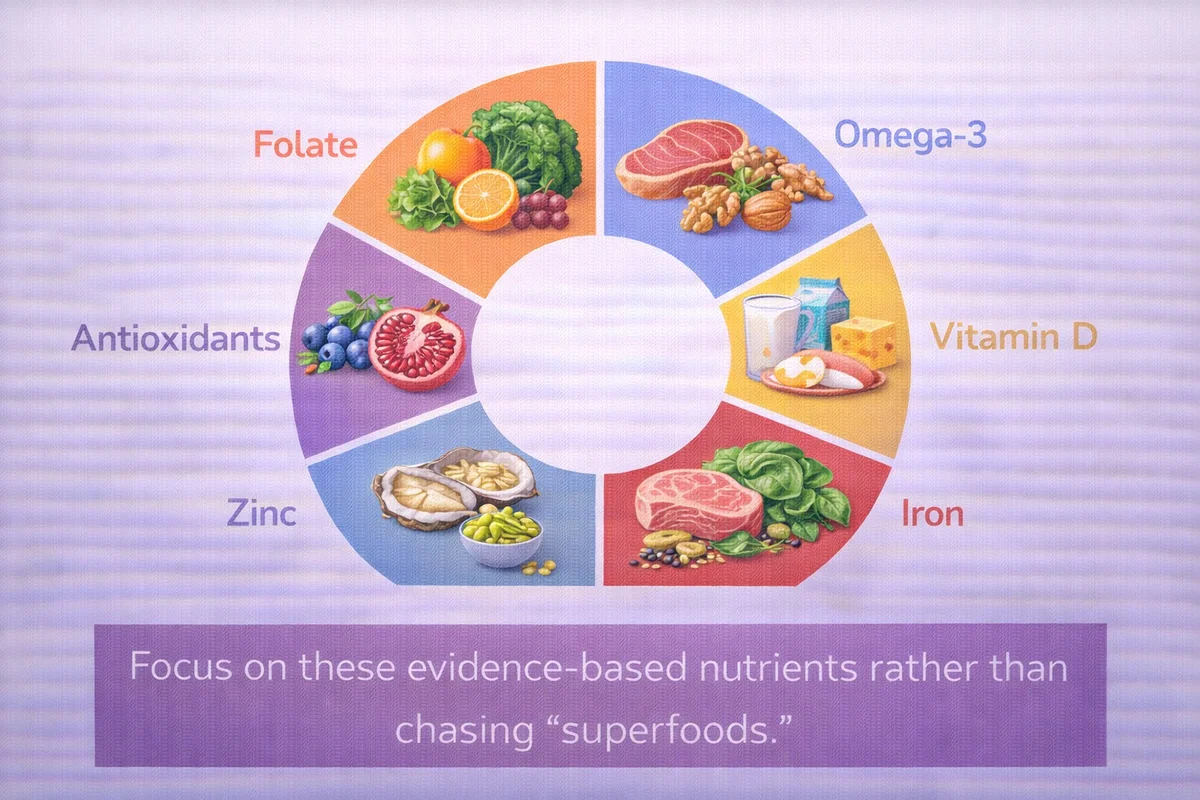
Instead of chasing specific foods, focus on ensuring adequate intake of these nutrients:
1. Folate (Vitamin B9)
Why it matters: Essential for preventing neural tube defects; occurs in first month of pregnancy (often before you know you're pregnant).
Food sources: Dark leafy greens (spinach, kale), broccoli, Brussels sprouts, lentils, beans, fortified grains
Supplement: Take 400-800 mcg folic acid daily when TTC
2. Omega-3 Fatty Acids
Why it matters: Regulates hormones, improves blood flow, reduces inflammation, supports fetal brain development
Research shows omega-3s may help PCOS by increasing insulin sensitivity.
Food sources: Salmon, mackerel, sardines, walnuts, flaxseeds, chia seeds
3. Antioxidants (Vitamins C & E, Selenium)
Why it matters: Protects eggs and sperm from oxidative damage
Food sources:
- Vitamin C: Berries, citrus, bell peppers
- Vitamin E: Nuts, seeds, avocado
- Selenium: Brazil nuts, seafood, eggs
4. Iron
Why it matters: Low iron can result in anovulation (not releasing an egg)
Food sources: Red meat, liver, lentils, beans, spinach
Note: Pair plant-based iron with vitamin C for better absorption
5. Zinc
Why it matters: Important for egg quality, sperm production, hormone regulation
Food sources: Oysters, beef, pumpkin seeds, lentils, chickpeas
6. Vitamin D
Why it matters: Linked to improved fertility outcomes, especially in IVF
Sources: Sunlight, fatty fish, fortified dairy, eggs
Supplement: Many people are deficient—consider getting levels checked
What to AVOID: The Evidence Is Clear
While "superfoods" are overhyped, there ARE foods and substances with clear evidence of harming fertility:
1. Trans Fats
Research shows trans fats negatively affect ovulation, promote insulin resistance, and increase inflammatory markers.
Sources to avoid: Partially hydrogenated oils, many processed baked goods, fried foods
2. Excessive Processed Foods and Refined Carbs
A 2017 study found increased consumption of processed foods correlates with poor semen quality in men.
High refined carb/sugar intake affects:
- Insulin levels (disrupts ovulation)
- Inflammation
- Blood sugar stability
3. Excessive Red and Processed Meat
The Mediterranean diet limits red meat for a reason—high consumption is linked to poorer fertility outcomes.
Shift toward: Plant-based proteins (beans, lentils), fish, poultry
4. Excessive Alcohol
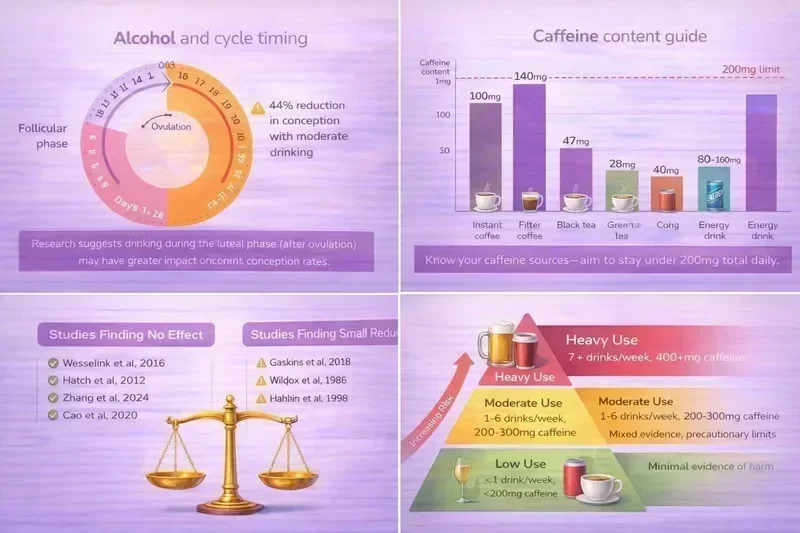
See our separate article on alcohol and caffeine myths when TTC.
5. High-Mercury Fish
Limit: Tuna (especially albacore), shark, swordfish, king mackerel, tilefish
Safe alternatives: Salmon, sardines, anchovies, trout
Male Fertility and Diet: It Matters Just As Much
Remember: Male factor contributes to 50% of fertility issues. Your partner's diet is just as important as yours.
What Research Shows for Men
A 2017 study analysing infertility in men with poor semen quality found:
- Increased consumption of meat and processed foods correlates with poor semen quality
- Diets high in saturated fat negatively impact sperm health
Studies show the Mediterranean diet improves:
- Sperm count
- Sperm motility (how well they swim)
- Sperm morphology (shape)
- Overall sperm quality
Key Nutrients for Male Fertility
Omega-3 Fatty Acids: A study of 117 men who consumed 75g of walnuts daily for 12 weeks showed improvements in:
- Sperm health
- Sperm motility
- Sperm morphology
Sources: Walnuts, fatty fish (salmon, mackerel), flaxseeds
Zinc: Crucial for testosterone production and sperm quality. Research shows zinc drives testosterone synthesis and improves sperm parameters.
Sources: Oysters, beef, pumpkin seeds, lentils
Antioxidants (Vitamins C, E, Selenium): Protect sperm from oxidative damage, which can impair DNA and reduce fertility.
Sources: Berries, nuts, seeds, fish, Brazil nuts
Folate: Not just for women! Folate is important for sperm production and DNA synthesis.
Sources: Dark leafy greens, lentils, fortified grains
What Men Should Avoid
Same as women:
- Trans fats (processed foods, fried foods)
- Excessive processed meats and red meat
- High-sugar diets
- Excessive alcohol (see our alcohol article—affects sperm quality)
- High-mercury fish
Practical Advice for Couples
Both partners should:
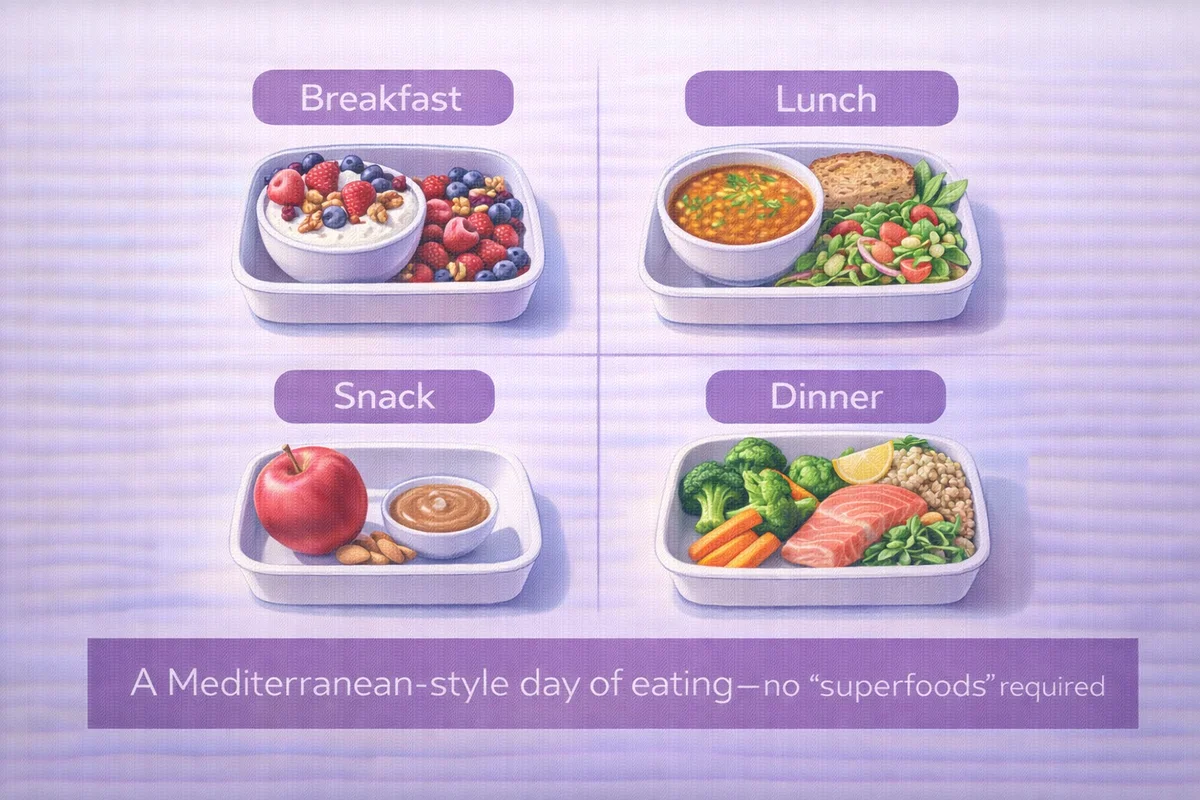
- Follow a Mediterranean-style diet
- Eat fish 2-3 times per week (low-mercury options)
- Include nuts and seeds daily
- Focus on whole foods over processed
- Limit red meat to once weekly
- Ensure adequate zinc, folate, and omega-3 intake
Don't fall into the trap of thinking fertility diet is just for women. Male diet affects sperm quality, which affects your chances of conception.
Special Cases: When Diet Makes a Bigger Difference
For some conditions, diet changes can dramatically improve fertility:
PCOS (Polycystic Ovary Syndrome)
Low-glycemic diet can:
- Improve insulin resistance
- Support regular ovulation
- Improve fertility outcomes
Focus on: Whole grains, vegetables, lean proteins, healthy fats Limit: Refined carbs, added sugars
Obesity
For women with BMI over 30:
- 70% of women with weight-related infertility could conceive without treatment by losing weight
- Exercise + diet (not just diet alone) shows best results
- Even modest weight loss (5-10%) can restore ovulation
Underweight
Women with BMI under 18.5 may not ovulate regularly. Focus on: Nutrient-dense foods to reach healthy weight
Practical Fertility Eating: What We Actually Do
Here's my approach (and my partner's) after reading all the research:
What we focus on:
- Cooking with olive oil
- Eating fish 2-3 times per week
- Lots of vegetables and fruits daily
- Whole grains instead of refined
- Beans/lentils several times per week
- Handful of nuts daily (my partner has walnuts daily for omega-3s)
- Full-fat yoghurt
What we limit:
- Processed foods
- Takeaways and ready meals
- Refined carbs and added sugar
- Red meat (once a week max)
What I take:
- Folic acid supplement (400 mcg)
- Vitamin D (after discovering I was deficient)
What my partner takes:
- Multivitamin with zinc and selenium
- Vitamin D
What we DON'T do:
- Obsess over pineapple cores
- Buy expensive "fertility superfoods"
- Eliminate entire food groups based on Instagram advice
- Stress about every meal
Both partners eat the same way—because male factor matters in 50% of cases.
The Real Story
After three months of expensive pomegranate juice, pineapple cores I could barely choke down, and an Instagram-approved "fertility meal plan," I got fed up.
I went back to basics: Mediterranean-style eating with foods I actually enjoyed. More home-cooked meals, less processed food. Fish twice a week. Lots of vegetables. Olive oil on everything.
Did this "fertility diet" get me pregnant? Who knows. We conceived on month 6, which is completely normal.
But here's what I DO know: I felt better. I had more energy. I wasn't wasting money on hyped-up "superfoods." And I wasn't stressing about whether I'd eaten my pineapple core.
The Bottom Line
There is NO single food that will magically boost fertility.
As one nutrition expert notes: "While certain foods have been found to be beneficial for fertility support, the term 'superfood' is a marketing term, not a scientific one."
What DOES help (for both partners):
- Following a Mediterranean-style diet pattern
- Ensuring adequate intake of key nutrients (folate, omega-3s, iron, zinc, vitamin D)
- Maintaining healthy weight (not too high, not too low)
- Avoiding trans fats, excessive processed foods, and refined sugars
- Taking appropriate supplements (folic acid for women, multivitamin with zinc for men)
For women with PCOS or obesity: dietary changes can make a dramatic difference—focus on low-glycemic foods, regular exercise, and working toward healthy weight.
For men: Diet affects sperm quality significantly. Mediterranean diet, omega-3s, zinc, and antioxidants improve sperm count, motility, and morphology.
For everyone: Eat a balanced, whole-foods diet. Don't stress about pineapple cores or pomegranate juice. The evidence is clear: "The holistic examination of the Mediterranean Diet and the highlighting of the beneficial role of the individual components... through the overall combination and interaction" matters most.
Your fertility depends far more on overall dietary patterns and lifestyle than on whether you're eating oysters weekly or choking down pineapple cores.
Both partners should follow these guidelines—male factor contributes to 50% of fertility issues.
Save your money. Enjoy your food. And if you've been trying for 12 months without success (or 6 months if you're 35+), see your GP—because real fertility issues require medical help, not Instagram-approved superfoods.
Disclaimer: This information is based on peer-reviewed studies and medical guidance, but isn't medical advice. For personalized nutrition recommendations when TTC, speak to your GP or a registered dietitian.