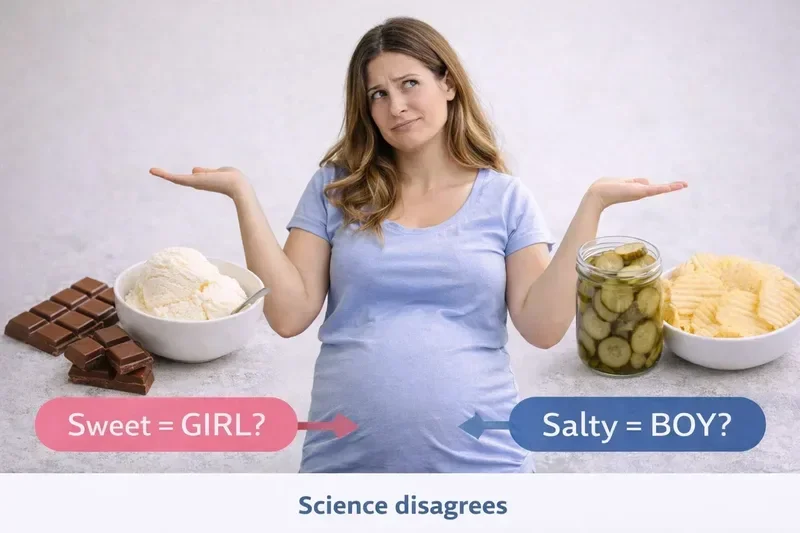
At 2am on a Tuesday in my second trimester, I sent my husband to Tesco for chocolate ice cream, salt and vinegar crisps, and—don't judge me—pickled onions. "It's definitely a girl," he said knowingly. "Sweet AND salty cravings."
Spoiler alert: We had a boy.
My second pregnancy? I couldn't get enough of cheese toasties and Marmite. "Classic boy cravings," the ladies at my antenatal class declared.
Another boy.
So what's the actual truth behind pregnancy cravings? Do they predict your baby's gender? Are they telling you something important about your nutrition? And why on earth was I desperate for Monster Munch at 3am?
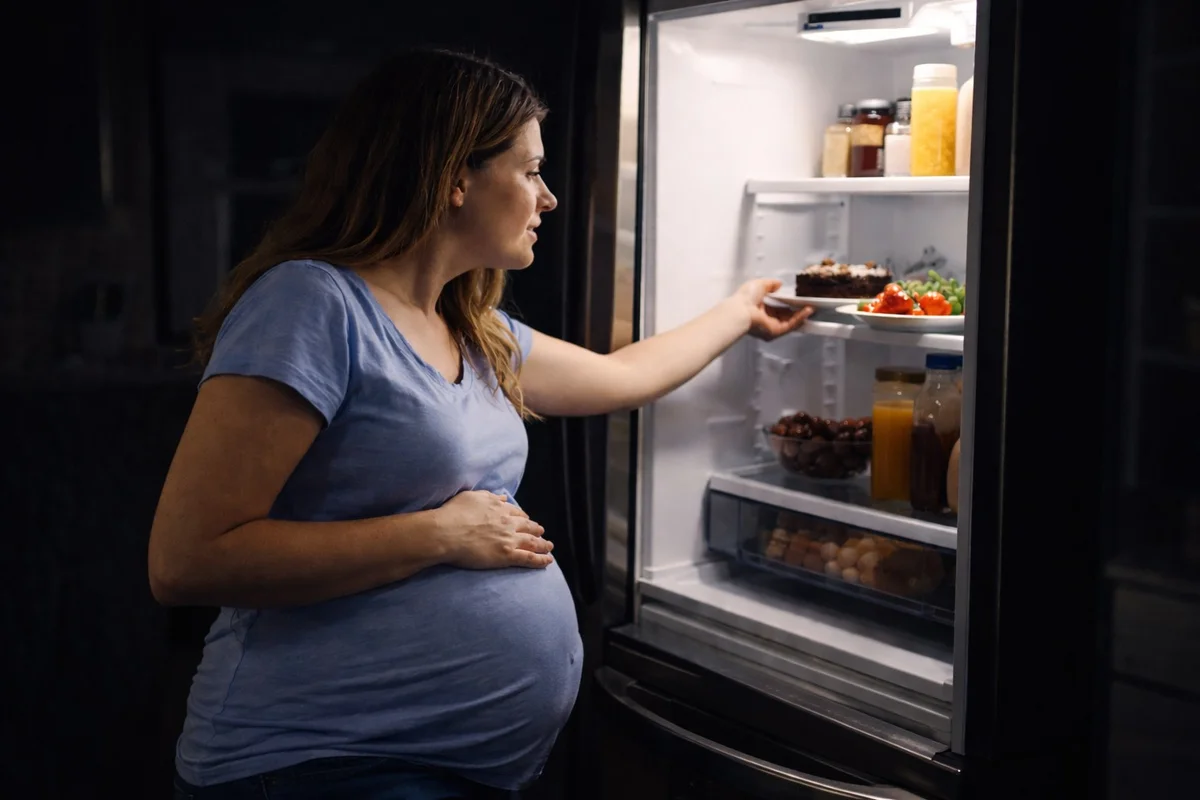
Do Pregnancy Cravings Predict Baby Gender? The Quick Answer
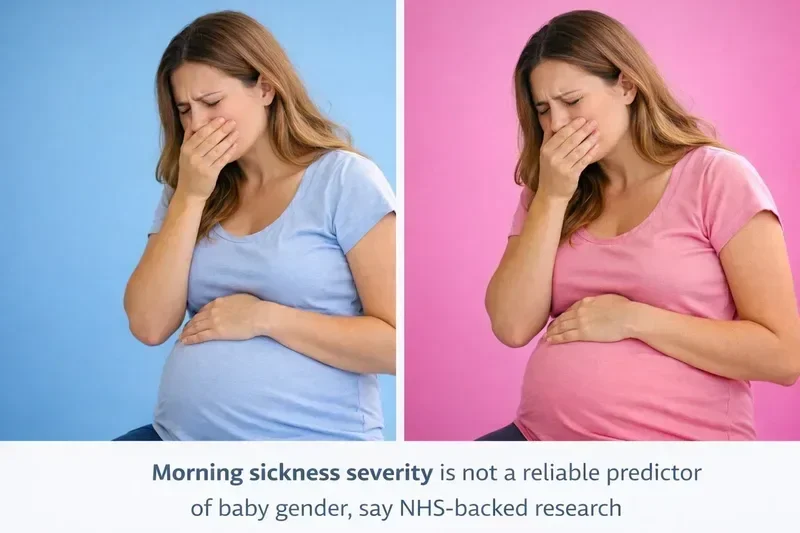
No. Absolutely not. Zero scientific evidence supports this myth.
Research examining over 4,000 pregnancies found no significant link between food cravings and baby gender. A 2024 study of 500 pregnant women confirmed that cravings don't correlate with whether you're having a boy or girl.
The "sweet for girl, salty for boy" myth is just that—a myth. But it's a persistent one, so let's break down why people believe it and what science actually says.
The Myths vs The Facts
Myth #1: "Craving Sweets Means You're Having a Girl"
The Claim: If you're constantly reaching for chocolate, ice cream, and cake, you're carrying a girl.
The Reality: Sweet cravings are the most common pregnancy cravings regardless of baby's gender. A comprehensive 2014 review found that in the United States, the most commonly craved items included sweets (ice cream and candy), dairy, starchy carbohydrates, and chocolate—whether women were carrying boys or girls.
Chocolate is actually the most commonly craved food in the US for ALL people, pregnant or not. It has nothing to do with your baby's chromosomes.
Myth #2: "Craving Salty/Savoury Foods Means You're Having a Boy"
The Claim: Can't stop eating crisps, pickles, and cheese? Must be a boy!
The Reality: Salty cravings are also incredibly common in pregnancy. Research from multiple studies shows that cravings for salty or savoury foods are reported by many pregnant women regardless of baby gender.
One interesting finding: studies suggest that cravings for savoury foods tend to be strongest in the first trimester, sweet cravings peak in the second trimester, and salty cravings emerge in the third—but this pattern occurs regardless of whether you're having a boy or girl.
Myth #3: "Your Cravings Signal Nutritional Deficiencies"
The Claim: Craving ice cream means you need calcium. Craving red meat means you're iron deficient.
The Reality: This one is partially true but mostly oversimplified.
Research on pregnancy cravings suggests that whilst some cravings might reflect nutritional needs, most don't match up neatly with deficiencies. If cravings were really about nutrition, we'd all be desperately craving spinach and lentils, not chocolate and crisps.
That said, there IS one important exception: craving non-food items (ice, dirt, chalk, soap) can indicate iron deficiency. More on that below.
What Actually Causes Pregnancy Cravings?
Scientists aren't entirely sure (which is shocking considering how common they are!), but research points to several factors:
1. Hormonal Changes
Pregnancy hormones—particularly hCG, progesterone, and oestrogen—can heighten your sense of smell and taste. That's why chocolate tastes even more chocolatey and ice cream seems sweeter than ever.
Tommy's charity explains that hormonal changes can also cause a strange metallic taste in your mouth or make you suddenly hate foods you previously loved.
2. Cultural and Psychological Factors
This is fascinating: cravings vary dramatically by culture.
- In the US: Chocolate is the top craving
- In Egypt: Hardly anyone craves chocolate
- In Japan: Rice is most commonly craved
- In Armenia: Salty foods and pickles
- In Kosovo: Fruits and vegetables, especially apples
If cravings were purely biological, they'd be the same everywhere. The fact that they're so culturally specific suggests psychology plays a huge role.
Pregnancy is often one of the few times women feel they have "permission" to eat what they want without guilt. This psychological freedom may drive cravings for foods we usually restrict.
3. Blood Sugar Fluctuations
During pregnancy, blood sugar levels fluctuate. When they drop, you may crave quick energy sources like sweets or carbs.
4. Your Body Trying to Tell You Something (Sometimes)
Whilst most cravings don't directly correspond to deficiencies, there are exceptions:
- Craving ice cream/dairy: May indicate need for calcium
- Craving red meat: Could signal low iron
- Craving citrus: Possibly need for vitamin C
- Increased salt cravings: Progesterone causes you to lose more sodium in urine
But these aren't reliable indicators. If you're concerned about nutrition, talk to your midwife about blood tests rather than relying on cravings.
How Common Are Pregnancy Cravings?
Very common. Research shows that up to 9 in 10 pregnant women experience cravings at some point.
When do they start?
- Can begin as early as the first month
- Often get stronger in the second trimester
- Usually ease up in the third trimester
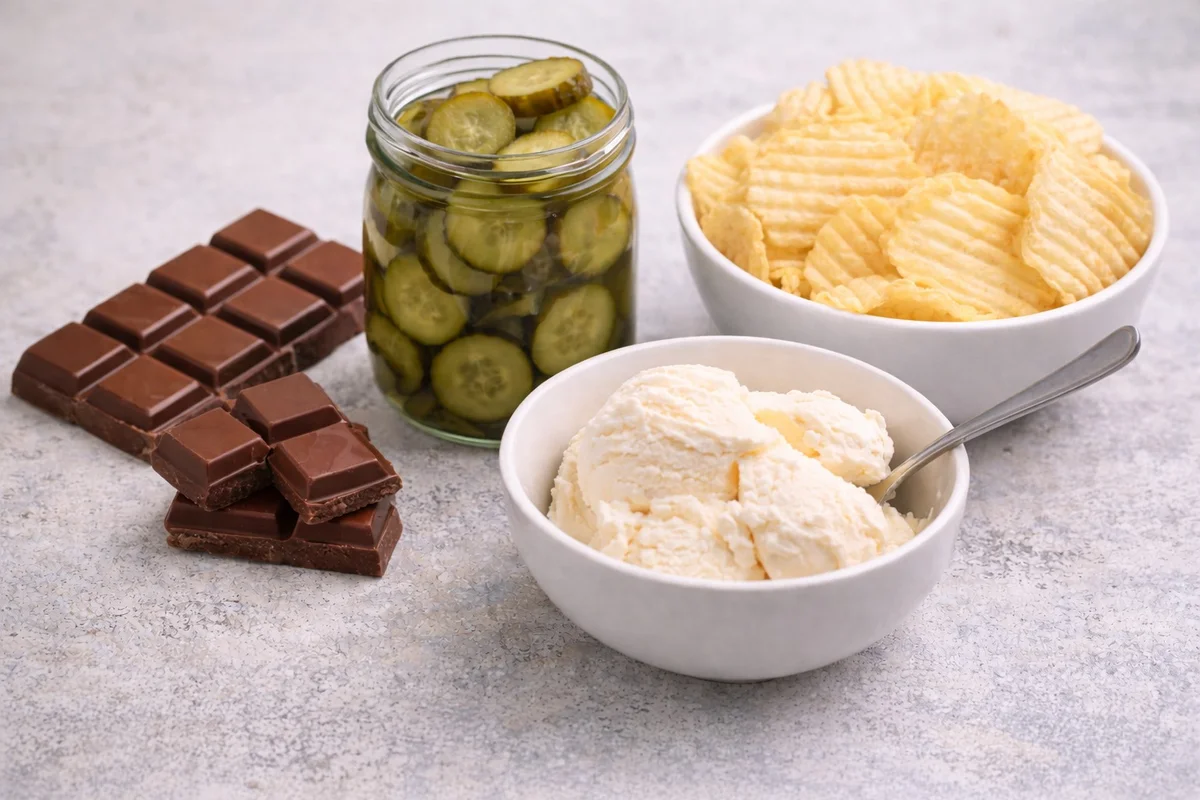
Most commonly craved foods (based on multiple studies):
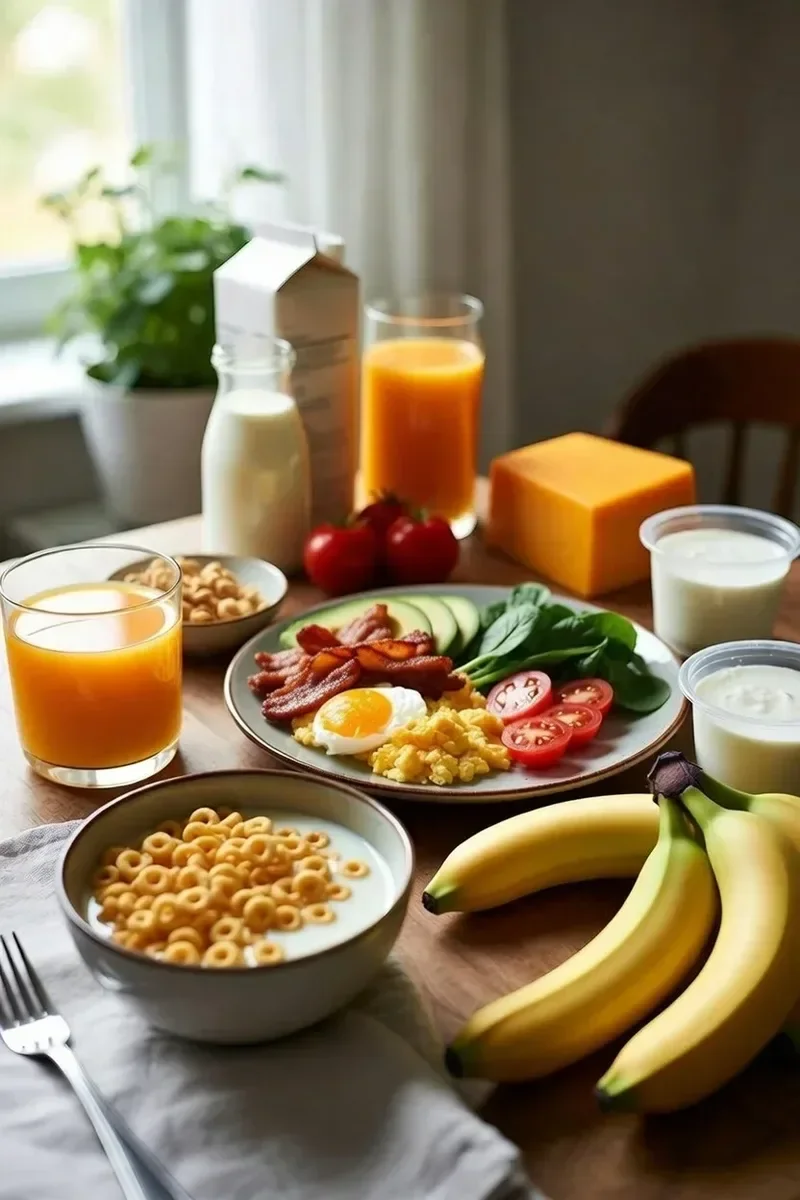
- Chocolate - by far the most common in Western countries
- Ice cream and dairy products
- Salty snacks (crisps, pickles)
- Fruit (especially citrus and sour fruits)
- Carbohydrates (bread, pasta, pizza)
- Fast food
- Cheese
- Sweets and candy
My Bizarre Pregnancy Cravings (And What They Taught Me)
Pregnancy #1:
- 2am Monster Munch binges
- Ice cream with salt sprinkled on top (I know, I know)
- Pickled onions straight from the jar
- Marmite on everything
Everyone said: "All that salt and weird combinations? Definitely a boy!"
They were right about the boy, but wrong about the cause. Plenty of women carrying girls have identical cravings.
Pregnancy #2:
- Cheese toasties (at least 2 per day)
- Cold milk straight from the fridge
- Cheddar and crackers
- More cheese (seriously, so much cheese)
Everyone said: "Dairy cravings! Classic boy!"
Another boy, but again—the cravings didn't predict it. The 20-week scan did.
When Cravings Become a Concern: Pica
What is Pica?
Pica is when you crave and eat non-food items. This isn't just "weird combinations"—this is craving things like:
- Ice or freezer frost (pagophagia)
- Clay, dirt, or soil (geophagia)
- Chalk
- Soap
- Charcoal
- Paper
- Starch or raw rice (amylophagia)
How common is it?
Studies show that pica affects anywhere from 4% to 77% of pregnant women depending on the region, with an average prevalence of about 27.8% globally. Research in Uganda found 57% of pregnant women practised some form of pica, with clay and ice being most common.
What causes it?
Pica is strongly linked to nutritional deficiencies, particularly:
- Iron deficiency anaemia (most common)
- Low zinc
- Low calcium
A 2020 study in Ghana found pica was more prevalent in women with nutrient deficiencies or poor nutrition.
Why is it dangerous?
Eating non-food items can cause:
- Poisoning (from chemicals or contaminants)
- Bowel obstruction
- Parasitic infections (especially from dirt/clay)
- Interference with nutrient absorption
- Dental damage
What should you do?
The NHS and Tommy's both advise: Contact your GP or midwife immediately if you're craving non-food items. Even if it's "just" ice.
Your healthcare provider can:
- Test for anaemia and nutrient deficiencies
- Prescribe iron supplements if needed
- Address underlying causes
- Ensure you and baby are getting proper nutrition
Don't be embarrassed—pica is more common than you think, and your midwife has definitely heard it before.
Managing Pregnancy Cravings: The Practical Stuff
When to Indulge
Look, you're growing a human. If you want some chocolate, have some chocolate. But here's how to do it sensibly:
Indulge in moderation:
- Have a small portion rather than eating an entire family-size bar
- Share treats with your partner
- Satisfy the craving without going overboard
Time it right:
- Have your treat after a balanced meal
- Don't let cravings replace proper nutrition
- Aim for the 80/20 rule (80% nutritious foods, 20% treats)
Healthier Swaps
When cravings strike, try these alternatives:
Craving ice cream? → Try frozen Greek yoghurt or homemade fruit lollies
Craving crisps? → Try popcorn (lower calorie) or veggie crisps
Craving chocolate? → Try a couple of squares of dark chocolate (more antioxidants, less sugar)
Craving sweets? → Try frozen grapes or strawberries dipped in a bit of chocolate
Craving fast food? → Make a homemade version with better ingredients
When Cravings Might Be a Problem
See your GP or midwife if:
- Cravings are for non-food items (pica)
- You're gaining weight too rapidly
- Cravings are preventing you from eating a balanced diet
- You're craving alcohol or excessive caffeine
- You suspect you might have gestational diabetes (constant sweet cravings + excessive thirst)
Foods to Avoid (Even If You're Craving Them)
Some cravings need to be resisted for safety:
- Alcohol - no safe amount in pregnancy
- Excessive caffeine - limit to 200mg per day (about 2 cups of coffee)
- Raw or undercooked meat/eggs - risk of food poisoning
- Unpasteurised dairy - listeria risk
- High-mercury fish (shark, swordfish, marlin)
- Raw shellfish - food poisoning risk
The Bottom Line: What Your Cravings Actually Mean
Let's clear this up once and for all:
Pregnancy cravings DON'T predict:
- ❌ Your baby's gender
- ❌ Your baby's personality
- ❌ Whether labour will be easy or difficult
- ❌ Anything supernatural or magical
Pregnancy cravings DO indicate:
- ✅ Your hormones are working (heightened taste/smell)
- ✅ You're human and pregnant women are allowed to enjoy food
- ✅ Cultural and psychological factors influence what we desire
- ✅ Occasionally (but not reliably) some nutritional needs
- ✅ If craving non-food items: possible iron deficiency requiring medical attention
What you should actually do:
- Enjoy your cravings in moderation
- Maintain a balanced diet overall
- Don't use cravings to guess baby's gender (save that for the scan!)
- Contact your midwife if craving non-food items
- Take your prenatal vitamins
- Listen to your body, but don't overthink every craving
My Real Advice After Two Pregnancies
Ignore everyone who claims to "know" what you're having based on your cravings. They're wrong. The scan will tell you. The birth will confirm it.
What cravings actually taught me:
- Pregnancy is weird and wonderful
- Your body does strange things and that's completely normal
- There's no shame in eating crisps for breakfast if that's all you can stomach
- Cultural myths are persistent but not predictive
- A 2am dash to the corner shop for pickles is a rite of passage
Most importantly: Pregnancy cravings are normal. Whether you're inhaling chocolate by the boxful or can't stop thinking about cheese, you're not alone. About 90% of pregnant women experience this.
So send your partner out for that weird food combination. Enjoy your ice cream. Embrace the madness. Just maybe keep some balanced meals in there too, and definitely call your midwife if you start eyeing up the garden soil.
Your baby's gender? That's determined by chromosomes, not chocolate consumption.
Quick Reference: Pregnancy Cravings FAQ
When do pregnancy cravings start? Can begin in the first month, often strengthen in the second trimester, usually ease by the third.
Can I tell baby's gender from cravings? No. Zero scientific evidence supports this myth.
What if I'm craving non-food items? Contact your GP or midwife immediately. This is called pica and often indicates iron deficiency.
Are cravings the same everywhere? No! Cravings vary dramatically by culture—chocolate in the US, rice in Japan, fruits in Kosovo.
What if I don't have any cravings? Totally normal! About 10% of pregnant women don't experience cravings at all.
Should I give in to every craving? Enjoy them in moderation, but maintain a balanced diet overall. Avoid unsafe foods like raw meat and alcohol.
NHS Resources:
This article is based on NHS guidelines, Tommy's charity guidance, and published research. For personalised medical advice about your pregnancy and nutrition, always consult your GP or midwife.